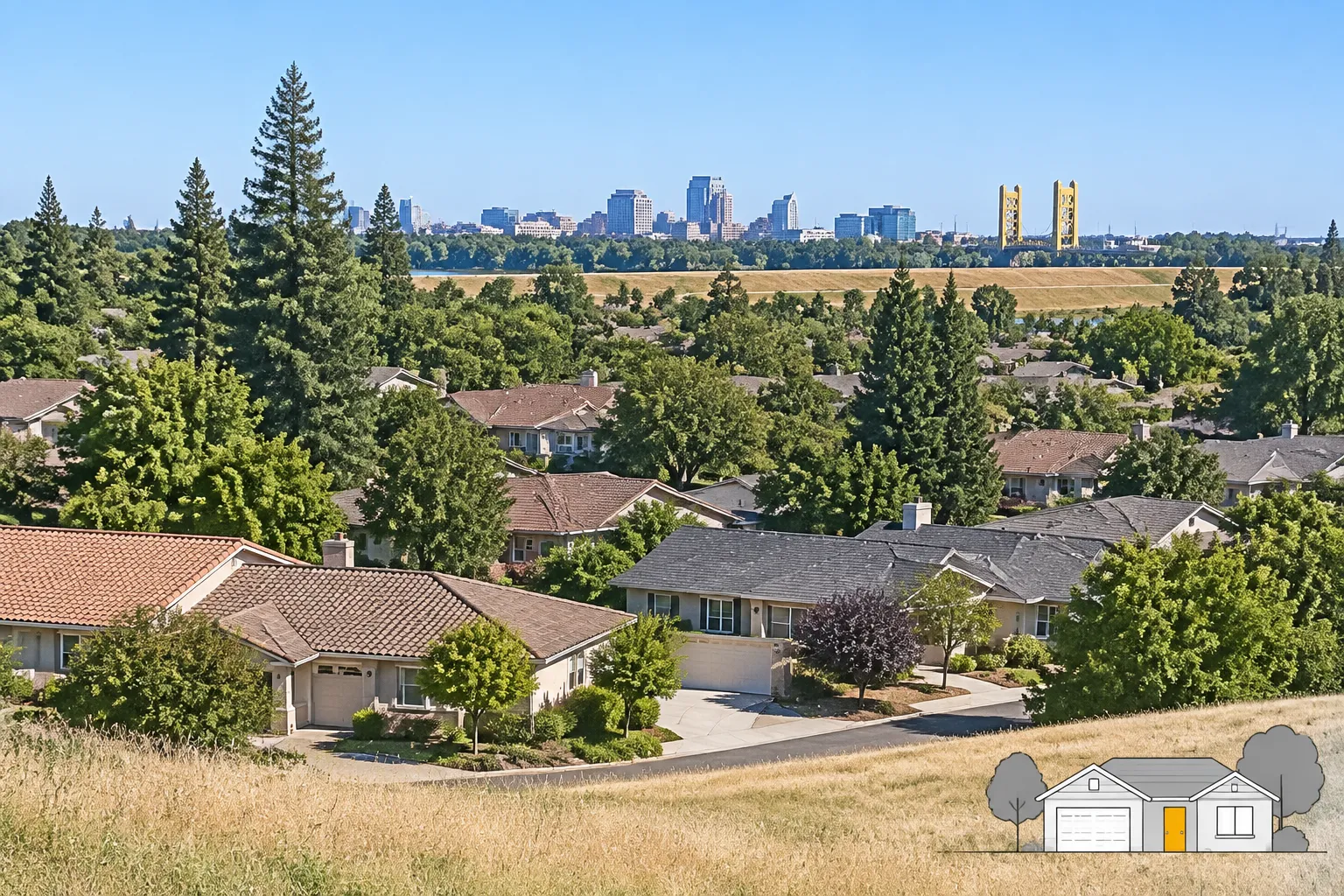
A plumber visiting a 1920s bungalow near Oak Park deals with different problems than one visiting a house built in the late 1990s in North Natomas. The city and the surrounding communities cover a lot of ground, and the age of the housing, the type of sewer, the water supplier and the flood history all shift from area to area. This page explains those differences, then links to a page for each of 14 areas. If you are starting from scratch, the plumber in Sacramento overview covers the basics for the whole region.
How plumbing differs across Sacramento
The biggest difference between areas is when the homes were built. Midtown, East Sacramento, Curtis Park, Land Park and Oak Park hold much of the older housing. Suburbs such as Carmichael, Citrus Heights and Rosemont grew mostly after the 1950s, and Natomas and parts of West Sacramento are newer again. Older houses are more likely to have galvanized steel supply lines, cast iron or clay drains and aged shutoff valves. Newer ones lean on copper or PEX, plastic drains and fewer surprises.
Sewer design is the second divider. Parts of central Sacramento, including Land Park, East Sacramento and Oak Park, sit in the City combined sewer service area, a century-old design where stormwater and household sewage share the same pipes. Heavy rain can strain it, which is why the City is building storage for combined sewage. Outside that area, separate systems are the norm.
Who supplies your water and takes your sewage also changes. The City of Sacramento serves the urban core. Arden-Arcade, Carmichael and other unincorporated areas fall under Sacramento County rules, and local districts such as Citrus Heights Water District and Fair Oaks Water District supply parts of the northeast. West Sacramento is a separate city across the river. Permit offices, fees and inspection steps differ between them, so a plumber who works in one area will know that area's process.
Terrain matters less than you would expect, because the region is flat. Flood history matters more. The Natomas basin, the Pocket and North Sacramento all sit behind levees, and levee work is an ongoing topic that affects insurance and sometimes construction detail, more than day to day plumbing.
Neighborhood by neighborhood
Each area has its own page with housing details, local rules and price notes. This is the short version.
- Midtown Sacramento: in ZIP 95816 the median home was built in 1949 and nearly half the housing predates 1940, so older pipes are the norm, and about 70 percent of households rent.
- East Sacramento: annexed to the city in 1911, with large older homes in the Fabulous Forties, heavy remodeling and the combined sewer system.
- Land Park: single-family homes, a 1950s Eichler district designated in 2024, and combined sewer service.
- Curtis Park: in ZIP 95818 the median home dates from 1942 and about 47 percent of homes were built by 1939.
- Oak Park: Sacramento's first suburb, with housing a century old or more and a combined sewer storage project at 8th Avenue and San Carlos Way.
- North Sacramento (Del Paso Heights): its own city until 1964, with 1930s homes in Woodlake and 1950s tracts in Richardson Village.
- Natomas: a floodplain basin where North Natomas is largely 1990s onward and levee reconstruction is under way.
- Pocket-Greenhaven: a bend of the Sacramento River with housing mostly from the 1960s to the 1990s.
- Rosemont: nearby ZIPs have a median build year of 1975 to 1977, with most homes from the 1960s and 1970s.
- Arden-Arcade: unincorporated, built 1945 to 1965, with county water mains being replaced.
- Carmichael: unincorporated, with a 1950s population boom and nearly half the housing rented.
- Citrus Heights: mostly 1970s housing, incorporated in 1997 and served by Citrus Heights Water District.
- Fair Oaks: unincorporated, on the American River bluffs, with a water district that buys most of its supply as treated surface water.
- West Sacramento: incorporated in 1987, newer housing in Southport and levees upgraded since 2011.
Prices across Sacramento
Plumbing prices vary by job more than by street. Fixr's plumber cost guide (updated January 2025) lists $75 to $150 an hour, with a national average of $90, and a service call fee of $50 to $300. The table shows the ranges Fixr and This Old House list for common work. Sacramento prices vary, and a local specialist quotes the real figure after seeing the job.
| Job | Typical range |
|---|---|
| Plumber hourly rate | $75 to $150, average $90 |
| Unclog a toilet or drain | $200 to $700 for a toilet, $100 to $500 for a drain |
| Replace a toilet | $400 to $800 |
| Replace a tank water heater | $1,200 to $2,300 |
| Install a tankless water heater | $2,100 to $4,000 |
| Leak detection | $100 to $400 |
| Whole-house repipe | $4,000 to $12,000 for about 2,000 square feet |
For more detail, see what a plumber costs in Sacramento and the water heater replacement cost guide.
Questions people ask
Do prices change between areas of Sacramento?
Only a little. A plumber's rate is similar across the region, but the job itself can cost more in some areas. Older central neighborhoods may need extra work on aged drains or valves, and a job with tight access or a crawlspace takes longer. Travel time can add a small charge at the edges.
Do I need a permit for plumbing work in Sacramento?
Many plumbing jobs, including water heater replacement and gas line work, need a permit from the city or county building office, depending on where you live. The plumber normally pulls it. In California, jobs of $1,000 or more must be done by a contractor with the right California license, and plumbing is classified C-36.
Which areas have older pipes?
Midtown, East Sacramento, Curtis Park, Land Park and Oak Park have the oldest housing, with many homes built before 1940. Older homes often have galvanized supply lines or clay and cast iron drains. Newer areas such as Natomas and Southport in West Sacramento mostly have plastic and copper.
Does the sewer type change what a plumber does?
Yes. In combined sewer areas, heavy rain can push water into the system faster than it drains, and a backwater valve may be worth asking about. In separate-system areas, a clog in your lateral line is more likely down to roots or pipe age.
Read on
- Arden-Arcade
Plumber in Arden-Arcade: mid-century homes, the county water main replacement, county permits and typical prices, plus how to get quotes…
- Carmichael
Plumber in Carmichael: colony-era roots, 1970s-era housing, a high renter share, county permits and typical prices, plus how to get quotes…
- Citrus Heights
Plumber in Citrus Heights: a 1970s housing boom, a city of its own since 1997, city permit rules and typical prices, plus how to get…
- Curtis Park
Curtis Park plumbing, by the numbers: ZIP 95818 housing age, owner share and home values, and what vintage homes mean for pipes and prices.
- East Sacramento
East Sacramento plumbing: big older homes, remodels and additions, the combined sewer area and what each costs.
- Fair Oaks
Plumber in Fair Oaks: a river-bluff community with a local water district, 1950s homes, county permits and typical prices, plus how to get…
- Land Park
Plumbing in Land Park, Sacramento: Eichler slab homes, the combined sewer area, permit basics and typical price ranges before you ask for…
- Midtown Sacramento
Midtown Sacramento plumbing: old Victorians beside new lofts, renter-heavy housing and ZIP 95816 and 95811 data, with price ranges for…
- Natomas
Plumber in Natomas: floodplain setting, newer housing, permit basics and typical price drivers, plus how to get quotes from local…
- North Sacramento (Del Paso Heights)
Plumber in North Sacramento and Del Paso Heights: mixed home eras, flood history, permits and typical prices, plus how to get quotes from…
- Oak Park
Plumber in Oak Park: century-old homes, the combined sewer, permit rules and typical prices, plus how to get quotes from local specialists.
- Pocket-Greenhaven (the Pocket)
Plumber in the Pocket and Greenhaven: river-bend setting, 1960s to 1990s housing, permit basics and price drivers, with a way to get local…
- Rosemont
Plumber in Rosemont: 1960s to 1990s housing, county permits, rental homes and typical plumbing prices, plus how to get quotes from local…
- West Sacramento
Plumber in West Sacramento: Yolo County city rules, neighborhoods from Broderick to Southport, typical prices and how to get quotes from…
Sources used
- City of Sacramento Utilities
- SAFCA, Sacramento Area Flood Control Agency
- Sacramento County Water Agency
- US Census Bureau American Community Survey, ZIP-level housing data, 2020 to 2024
- Cost to Hire a Plumber, Fixr (updated January 2025)
- How Much Does Water Heater Installation Cost, This Old House (updated June 2026)
- How Much Does a Sewer Line Replacement Cost, This Old House (updated March 2026)
- Cost to Unclog a Toilet, Fixr (updated January 2025)
- Garbage Disposal Installation Cost, Fixr (updated January 2025)
- Slab Leak Repair Cost, Fixr (updated May 2025)
Last changed