When the toilet bowl keeps running, the sound tells you the fault. A steady hiss means the fill valve is not closing. A faint trickle with a tank that keeps refilling means the flapper is leaking. Water flowing down the overflow tube means the level is too high. Fixr's toilet repair guide lists $60 to $120 to replace a flapper and $60 to $150 to replace a fill valve.
This is the diagnosis page. The step-by-step repair sits in how do you repair a running toilet, and the wider toilet repair guide covers prices and who to call.
What does it mean when the toilet bowl keeps running?
It means water is moving through the toilet when nobody has flushed. Either the tank is losing water into the bowl, and the fill valve keeps replacing it, or the fill valve is overfilling the tank and the extra spills into the overflow tube. In both cases clean water is going down the drain all day.
The key question is where the water goes. Take the lid off and look:
- Water level below the top of the overflow tube, and the tank refills every few minutes. The flapper leaks.
- Water level at the top of the tube, with a small stream going into it. The fill valve or float is set too high or has failed.
- Level is fine, and you hear a hiss. The fill valve seal is worn, or the supply is passing a thin stream.
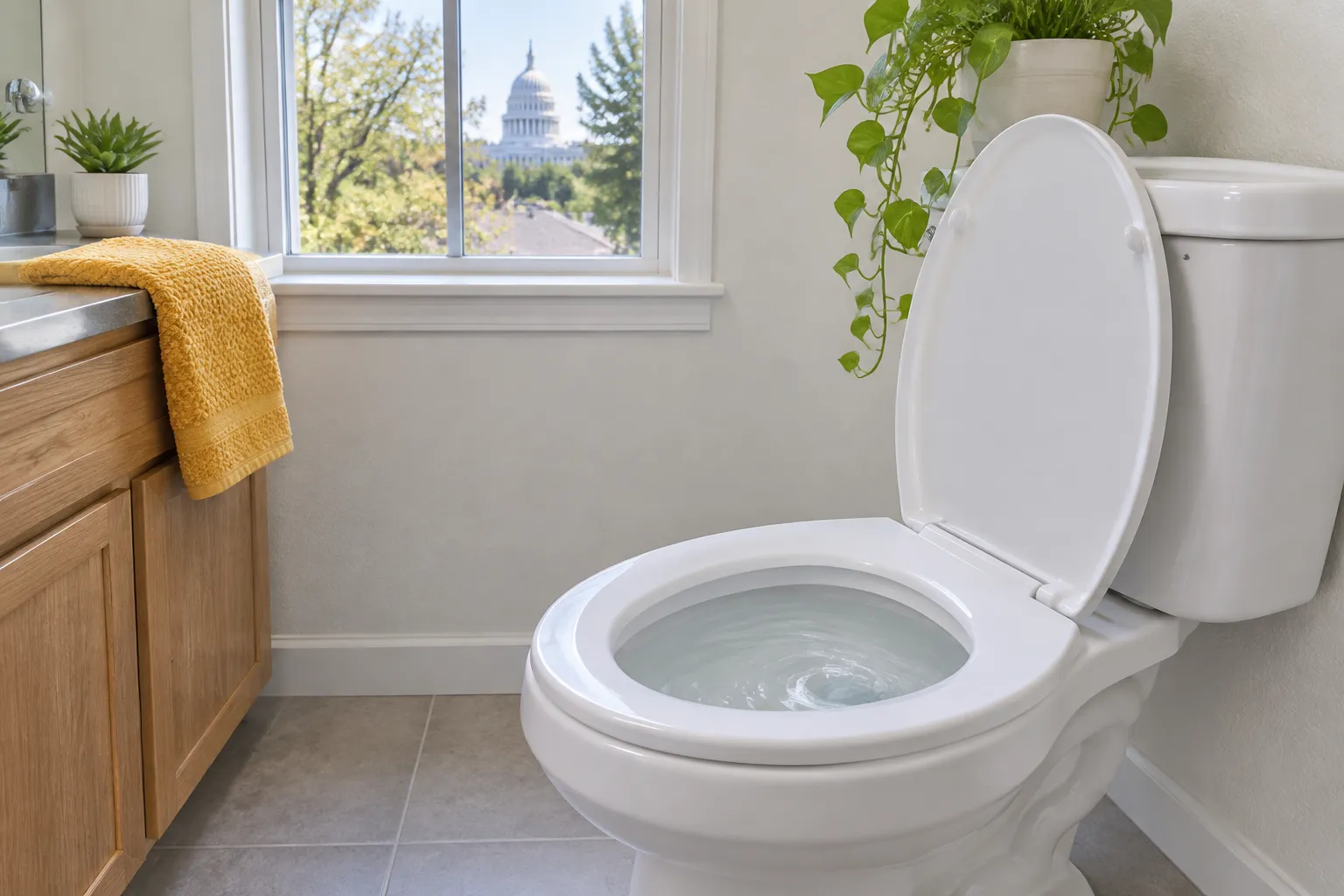
- Bowl water rippling or shimmering. A slow flapper leak, often too gentle to refill the tank.
Use a dye test to confirm the flapper: put a few drops of food coloring in the tank and wait about ten minutes without flushing. Color in the bowl confirms a leak, as EPA describes in its leak guidance.
What does each sound mean?
Match what you hear to the part. Hissing is usually the fill valve. A trickle is usually the flapper. A gurgle after a flush can be a partial clog or a vent problem. Banging or knocking when the tank refills points to water hammer. A single refill sound every few minutes, with no flush, is called a phantom flush.
| What you hear | Likely cause | First thing to try |
|---|---|---|
| Constant hiss | Fill valve not sealing | Clean or replace the valve |
| Trickle into the bowl | Flapper or seat leaking | Replace the flapper |
| Refill every 5 to 30 minutes | Slow flapper leak | Dye test, then replace |
| Gurgle after flushing | Partial clog or vent | Plunge, then call a plumber |
| Knock when filling | Water hammer | Check the valve, ask a plumber |
| Whistle or squeal | Worn fill valve or low shut-off valve opening | Open the shut-off fully, then replace the valve |
A squeal can come from the small shut-off valve at the wall. Make sure it is fully open, because a half-open valve can whistle as water squeezes through. If it persists with the valve open, the fill valve's internal seal is the next suspect.
For a faint, odd noise from the bowl itself, with no refill, do not assume a leak. Drain traps sometimes make small sounds as air moves through them.
Why does the bowl water move when nobody flushes?
Moving water in the bowl means water is slipping past the flapper, or air is escaping through the trap. A gentle ripple points to a flapper leak. A bubble or gulp points to a vent or drain issue. If you see rippling, do the dye test, because a flapper leak can waste thousands of gallons a year without making a sound.
This is the quiet version of a running toilet. EPA says a worn flapper can silently leak thousands of gallons a year. You do not need to hear anything for the problem to be costing you money.
Check the water meter. With every tap off, if the meter dial or leak indicator moves for an hour, there is a leak somewhere. Test the toilet first, because it is the most common source in a home.
If the rippling appears only after flushing and then stops, the toilet is normal. Water settles for a minute or two after a flush.
Can the toilet bowl keep running because of water pressure?
Sometimes. High incoming water pressure can make a worn fill valve fail to shut off, and a very low supply can make it fill slowly and hiss for a long time. If only this toilet runs and other fixtures are normal, the toilet's own parts are the cause. If several fixtures act oddly, ask a plumber to check the pressure.
Look at the pattern:
- One toilet only. The toilet's parts are the problem.
- All toilets run, faucets bang when closed. Pressure or a failing pressure regulator may be involved.
- Fill is slow and noisy. A partly closed shut-off valve or a clogged inlet screen is common.
A clogged inlet screen is worth knowing about. After the city shuts off water for maintenance, or after any plumbing work, grit can lodge in the fill valve and stop it seating. Flushing out the valve with the cap off, with a cup held over it, often clears that without a new part.
What to do next
Start with what you can see. Turn off the supply valve if water is overflowing. Check the chain, then replace the flapper, then adjust the float and water level. If it still runs, replace the fill valve with a kit from the hardware store. Both parts are cheap.
You can follow the same order in the repair guide for a running toilet, and the replacement steps for the fill valve are in repair a toilet fill valve. Skip the guessing if the toilet is also leaking at the base or if you see water on the floor, and read about a plumber for a toilet leak.
When to call a plumber business
Call a local plumber if you cannot stop the water, the shut-off valve will not turn, the toilet is cracked or the running continues after new parts. Fixr's toilet repair guide puts toilet repair at $60 to $200, with an average of $125. Quotes vary with access and time of day.
Reasons to stop DIY:
- The shut-off valve or supply line is corroded.
- The tank bolts spin or leak.
- The water meter keeps moving after the toilet is repaired.
- The toilet is old and cracked, so replacement might cost less than another repair. See replacing a toilet.
An old toilet can use as much as 6 gallons per flush, while WaterSense toilets use 1.28 gallons or less, so a toilet that needs repeated parts is a candidate for replacement.
To compare quotes, use the quote page and ask each specialist the same questions. The home page points to the rest of the Sacramento plumbing guides.
Questions people ask
How long does fixing a toilet that keeps running take?
A flapper or chain fix takes 10 to 20 minutes. A fill valve swap takes 30 to 60 minutes. Plumbers usually finish a running toilet inside an hour. If the shut-off valve is stuck or corroded, add time for replacing it first.
What should I ask before I hire someone for a toilet that keeps running?
Ask whether the price includes parts, whether there is a visit fee, if they replace the flapper and fill valve together, and how they confirm the fix. Ask them to check the water level and the shut-off valve before they finish.
Do I need to be home for a running toilet repair?
Usually yes, so the plumber can reach the bathroom and shut-off valve and you can see the fix test. The visit is short, so most people stay home for the hour.
Will a running toilet raise my water bill?
Yes. A leak you cannot see can add up over a month, and EPA reports that the average household loses more than 9,300 gallons a year to leaks. Fixing it early costs much less than the water it wastes.
Sources used
Last changed